



The Monsoon Catch: Exploring Tapola’s Famous Fresh-Water Fish Varieties
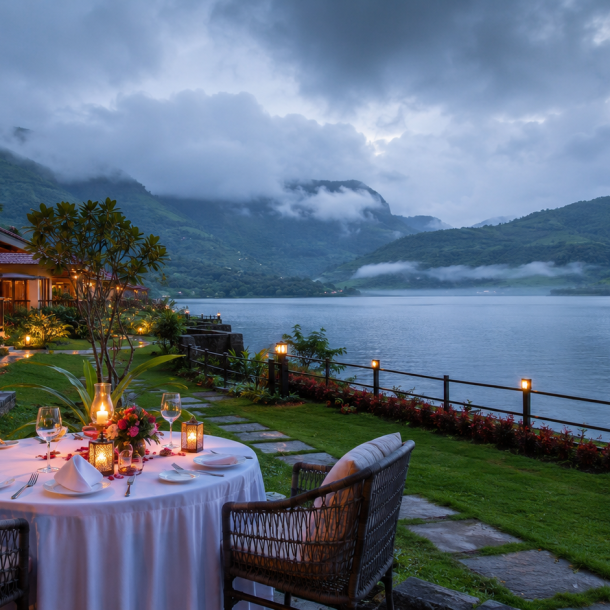
There is something deeply comforting about watching the rain beat down on a vast expanse of water while sitting in a cozy, rustic lakeside eatery. If you find yourself traveling through the Satara district during the wet months, the misty roads will naturally lead you down into the river valleys. While the landscapes are undeniably beautiful, the real magic for food lovers happens under the tin roofs of local dhabas. The rainy season triggers a spectacular culinary event here, highlighting the prized fresh-water fish varieties caught right from the clean, swelling currents of the region’s massive reservoirs.
Most travelers associate Maharashtra’s monsoons with hot Kanda Bhajji or spicy Misal Pav. But if you haven’t sat down with a steaming, fiery local fish thali after a long, damp drive, you haven’t truly experienced the heart of local Maharashtrian food. The massive Shivsagar Lake, formed by the Koyna Dam, becomes a thriving hub for sustainable, local fishing when the rains arrive. Let’s look at the incredible indigenous fish varieties that you need to sample on your next monsoon escape.
Why the Monsoon Changes the Flavor of Tapola’s Catch
Fishing in a massive, deep-water reservoir like Shivsagar is entirely different from ocean fishing. When the heavy rains of July and August wash nutrient-rich organic matter down from the pristine, forested slopes of the Sahyadri mountains, the lake ecosystem experiences a massive burst of life.
The water becomes highly oxygenated and turbulent. This forces the fish to swim against stronger currents, making their meat exceptionally lean, firm, and clean-tasting. Unlike summer catches, which can occasionally carry a muddy undertone common to stagnant waters, a monsoon catch offers a sweet, pure flavor profile that pairs beautifully with the rustic, stone-ground spices used by valley cooks.
The Big Five: Fresh-Water Fish Varieties You Must Try
If you visit a local fish khanaval (eatery) in Tapola during the rains, skip the imported pomfret or surmai. Ask the host what was brought in from the nets early that morning. More likely than not, you will be treated to one of these five local champions:
1. Katala (Catla)
Katala is a prominent member of the Indian carp family and a true heavyweight in the reservoir. Because it surface-feeds in the clean, rainwater-fed upper layers of the lake, its meat stays remarkably fresh and entirely free of any earthy aftertaste. Katala features large, broad flakes that absorb liquid beautifully. It is the absolute best choice for a traditional, thin Maharashtrian Rassa (curry) made with a base of roasted coconut, onion, and local kala masala.
2. Ravas (Freshwater Indian Salmon)
While coastal food lovers are deeply familiar with the marine Ravas, the landlocked freshwater cousin found in these deep mountain reservoirs is a hidden gem. This variety thrives in the cool, deep moving currents where the rivers meet the lake. It has a rich, slightly oily texture that is packed with clean flavors. It is best enjoyed shallow-fried on an iron tawa with a crisp coating of rava (semolina) and local chili paste.
3. Shivada (Wallago Attu)
Often referred to by locals as the freshwater shark due to its predatory nature, Shivada is highly sought after by local culinary enthusiasts. It is a smooth-skinned, boneless-centric fish with dense, firm white meat that holds its structure perfectly under high heat. Because the meat is so substantial, it is the ideal candidate for a thick, semi-dry masala fry that you can tear apart with hot, hand-patted Bhakri (millet flatbread).
4. shengal
shengal is a smaller, slender variety that local fishing communities catch near the rocky banks where mountain streams empty into the lake. Don’t let its size fool you; shengal is incredibly sweet and tender. Because it has delicate bones, locals typically fry it to a deep, golden crunch. It serves as the perfect crunchy companion alongside a main meal of rice and hot fish curry.
5. Maral (Snakehead Murrel)
Ask any resident of the Satara district to name the king of fresh-water fish varieties, and the answer will almost always be Maral. Thriving in the quiet, weed-heavy bays of the reservoir, Maral boasts a distinct, tight texture that behaves almost like tender chicken breast. It has very few annoying fine bones, making it incredibly popular for families. A slow-simmered Maral curry, enriched with the tartness of local Amsul (kokum), is a legendary monsoon remedy against the damp mountain chill.
The Monsoon Fish Flavor Guide
| Fish Variety | Texture Profile | Best Cooking Style | Local Pairing Suggestion |
| Katala | Large, tender flakes | Slow-simmered thin curry | Hot steamed Indrayani rice |
| Ravas | Rich, succulent, mildly oily | Tawa fry with semolina | Sliced red onions and lime |
| Shivada | Firm, dense, meaty | Thick, semi-dry masala | Hot Jowar or Bajra Bhakri |
| Shengal | Delicate, tender, light | Deep, crispy frying | Served as a starter with tea |
| Maral | Tight, chicken-like, low bone | Spicy red gravy (Tambda Rassa) | Rice flour bhakri and local pickles |
Where to Find the Best Local Fish Thalis
To get an authentic taste of these fresh-water fish varieties, you need to leave the touristy main markets of Mahabaleshwar behind and head down the valley toward the lake.
The small dhabas and family-run homestays dotting the shoreline are where the real culinary art happens. These kitchens don’t use commercial, pre-packaged spice mixes. They grind their masalas daily on traditional stone plates (Pata-Varvanta), using local dry chilies, coriander seeds, and a heavy hand of garlic. Sitting by the window of a lakeside agro-tourism resort, watching the mist roll over the water while breaking off a piece of hot bhakri dipped in spicy Maral curry, is an experience that mainstream luxury hotels simply cannot duplicate.
Turn Your Monsoon Food Trail into a Complete Lakeside Escape
After indulging in Tapola’s famous fresh-water fish varieties, extend your culinary journey with a stay at Shoreline Ujjwala Resort. Nestled in the peaceful village of Apati near the serene backwaters of Shivsagar Lake, the resort offers comfortable lake-view accommodations alongside authentic Maharashtrian hospitality. Guests can enjoy delicious home-style meals, including seasonal local fish specialties whenever available, before exploring boating, kayaking, nature trails, and the breathtaking monsoon scenery that makes Tapola so special. Whether you’re planning a relaxing weekend or an adventurous getaway, the resort provides the perfect base to experience the flavors, landscapes, and warmth of the Sahyadri region.
FAQs: The Foodie’s Notebook
1. Is it safe to eat fresh-water fish during the monsoon season?
Yes. While marine seafood options are heavily restricted during the monsoon due to rough ocean breeding bans, lake and reservoir fishing in places like Tapola remains active and safe. The fish thrive in the clean, incoming mountain rainwater, making July and August the prime months for top-quality fresh-water catches.
2. Does fresh-water reservoir fish have a lot of fine bones?
It varies by variety. Carps like Katala have standard bone structures that are easy to navigate, while varieties like Maral and Shivada are incredibly meaty with very few fine bones, making them excellent choices for travelers who worry about dealing with small fish bones.
3. What makes the Tapola fish curry taste distinct from coastal Malvani curries?
Coastal curries rely very heavily on fresh coconut milk and a souring agent like tirphal or heavy kokum. The inland Satara-style valley curries use a base of deeply roasted dry coconut, charred onions, a generous amount of garlic, and a robust local spice blend called Kala Masala, giving the dish a dark, smoky, and intensely warming flavor.
4. Can I buy fresh fish directly from the fishermen in Tapola?
Yes. If you head down to the primary local boat jetties early in the morning around 7:00 AM, you can often watch the local cooperative fishing boats land their morning nets. Many fishermen are happy to sell small portions of the fresh catch directly to travelers.
5. How hot are these local fish curries typically prepared?
Local valley cooking tends to be naturally spicy to combat the cold, damp mountain weather. However, if you are dining at a reputable lakeside resort or a family-run homestay, you can always ask the kitchen staff to tone down the heat levels to suit your personal preference without losing the aromatic spice depth.
Conclusion: Pack Your Appetite for the Sahyadris
A rainy-season getaway to the hills shouldn’t just be about looking at green landscapes through a car window. It should be a full sensory experience that connects you directly to the geography of the land. Sampling the incredible fresh-water fish varieties of the Shivsagar reservoir offers exactly that—a authentic, spicy, and unforgettable taste of the Sahyadri mountains that stays with you long after your road trip ends.
Secure Your Lakeside Seat
Ready to experience the ultimate monsoon culinary journey? Gather your fellow food lovers, plan your next weekend drive into the valley, and book a relaxing stay right on the water’s edge. The fishing nets are coming in full, the dhabas are firing up their wood stoves, and an authentic taste of local valley hospitality is waiting for you!
fresh-water fish varietieslocal fish thalilocal Maharashtrian foodmonsoon culinary travelplaces to visit in TapolaSatara food guideShivsagar lake fish