


Kas Pathar & Tapola Weekend Trip: Flowers, Monsoon Views & a Scenic Mahabaleshwar Extension
If you are planning a Kas Pathar weekend trip during the monsoon, there is much more to see than misty mountains and green valleys. For a few weeks each year, Kaas Plateau near Satara transforms into a remarkable natural carpet of seasonal wildflowers.
Located at around 1,200 metres above sea level, Kaas Plateau is famous for its extraordinary floral biodiversity. Maharashtra Tourism notes that more than 850 species of flowering plants can be found across the region, including rare and endemic varieties. The main flowering period is generally from late August to early October, although the exact timing changes according to rainfall.
The experience becomes even better when Kaas is combined with Tapola. After spending the first part of the trip among seasonal flowers, you can drive towards the green valleys and peaceful backwaters of Tapola, stay overnight at Shoreline Ujjwala Resort Agro Tourism & River Camp, and enjoy a relaxed second day.
And if you have an additional day, you can extend your journey towards Mahabaleshwar, turning a short Kaas and Tapola trip into a beautiful Western Ghats road-trip experience.
Why Combine Kas Pathar, Tapola and Mahabaleshwar?
These destinations offer three different experiences in one journey.
Kaas Pathar is about seasonal wildflowers, biodiversity and photography.
Tapola is about Shivsagar backwaters, misty hills, greenery and a slower countryside atmosphere.
Mahabaleshwar adds viewpoints, forests, waterfalls, strawberry farms and classic hill-station experiences.
Instead of spending the entire weekend rushing between attractions, you can divide the journey naturally:
Day 1: Kaas Pathar flower experience → Shoreline Ujjwala Resort Agro Tourism & River Camp
Day 2: Tapola → Shivsagar Lake/backwaters → relaxed resort time
Optional Day 3: Tapola → scenic ghat route → Mahabaleshwar sightseeing
Kaas Pathar Flower Season: When Should You Visit?
The biggest reason travellers plan a Kas Pathar weekend trip during the monsoon is the annual flowering season.
Kaas does not look the same throughout the year. The plateau changes dramatically after the monsoon, when moisture and changing weather conditions trigger different seasonal plants to bloom.
The broad flowering season is generally late August to early October, but the exact bloom period is rainfall-dependent. Maharashtra Tourism also highlights the region’s 850+ flowering species and its rare and endemic flora.
Late August to Early September
This period can offer the first noticeable signs of the annual floral transformation.
The landscape is usually very green after the monsoon, with smaller seasonal flowers beginning to appear. If you prefer misty weather, fresh greenery and fewer expectations of a fully carpeted plateau, this period can be attractive.
However, flower density can vary significantly from year to year.
September: The Main Flower-Viewing Period
For many travellers, September is the most exciting month for Kaas flowers.
Different species bloom at different times, so the plateau can change from week to week. You may see combinations of yellow, pink, purple, blue and white flowers spread across the grasslands.
Among the flowers and plants associated with Kaas are Sonki, Smithia, orchids, balsams, Utricularia and other seasonal species. The exact species visible during your visit depends on the flowering cycle and rainfall.
This is why photographers often prefer checking recent bloom updates rather than choosing a date months in advance.
Late September to Early October
This period can offer another beautiful phase of the flowering season.
Yellow flowers such as Sonki can become particularly noticeable in parts of the plateau, while other seasonal species continue to appear.
The important thing to remember is that there is no single fixed “flower day” at Kaas. Different flowers bloom at different times, and rainfall determines how the season develops.
What About Karvi?
Karvi is one of the most fascinating plants associated with the Kaas region.
Unlike many annual seasonal flowers, Karvi has a remarkable flowering cycle and is known for blooming approximately once every seven years. Maharashtra Tourism specifically identifies Karvi among Kaas’s notable seasonal plants.
This makes a Karvi bloom year particularly special for nature enthusiasts and photographers.
Flowers You May See at Kaas Pathar
One of the best ways to make your Kaas visit more memorable is to look beyond the overall colourful landscape.
Sonki : Sonki is associated with the yellow shades that appear across the plateau during the later part of the flowering season. Its bright colour creates beautiful contrasts against the green grass and misty Western Ghats.
Smithia : Smithia is another attractive seasonal flower found at Kaas. Its small yellow blooms are especially interesting for close-up and macro photography.
Balsams : Balsam varieties contribute pink and other colourful tones to the plateau. When several seasonal species bloom together, they create the famous multi-coloured Kaas landscape.
Utricularia : Utricularia is particularly interesting for visitors who enjoy unusual plants. Some species are tiny insectivorous plants, meaning they obtain nutrients by trapping very small organisms.
Orchids : Kaas is also known for its orchid diversity. These delicate flowers are one reason the plateau is important not only as a tourist attraction but also as a biodiversity-rich ecological area.
Drosera : Drosera, also known as sundew, is another fascinating insectivorous plant associated with the Kaas ecosystem. It can be easy to miss because of its small size, so visitors interested in plants should look carefully rather than only photographing the larger flower patches.
The plateau’s biodiversity is one of the reasons responsible tourism is so important here.
Day 1: Kaas Pathar Flowers to Tapola
Morning: Start Early for Kaas Pathar
Begin your Kas Pathar itinerary early in the morning.
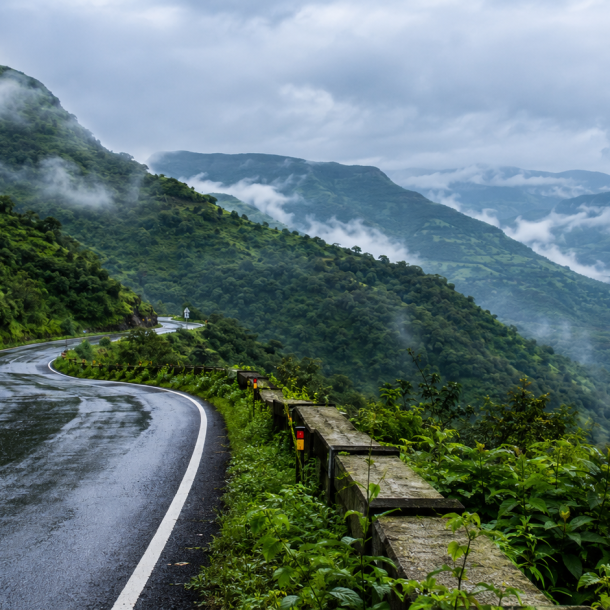
The journey towards Kaas during the monsoon is part of the experience itself, with mist-covered hills, wet roads and fresh greenery surrounding the route.
Once you reach the plateau, spend enough time walking through the designated visitor areas.
Don’t rush from one flower patch to another. Look closely at the smaller plants, observe the different colours and take time for photography.
Most importantly, do not pick flowers or walk over protected vegetation. Kaas is an ecologically sensitive landscape, and protecting the flowers is essential for future visitors.
Entry arrangements and visitor limits can apply, so check the latest official information before travelling.
Late Morning: Photography and Flower Exploration
Kaas is especially rewarding for photographers.
Instead of photographing only wide landscape shots, try capturing:
- Macro photographs of tiny flowers
- Flower fields against misty hills
- Close-ups of unusual plants
- Raindrops on flowers
- Green grasslands with colourful blooms
- Clouds moving across the Western Ghats
Carry a waterproof cover for your phone or camera because weather conditions can change quickly.
Afternoon: Drive Towards Tapola
After exploring Kaas, have lunch and begin your drive towards Tapola.
Rather than filling the afternoon with too many attractions, enjoy the scenic journey through the Western Ghats.
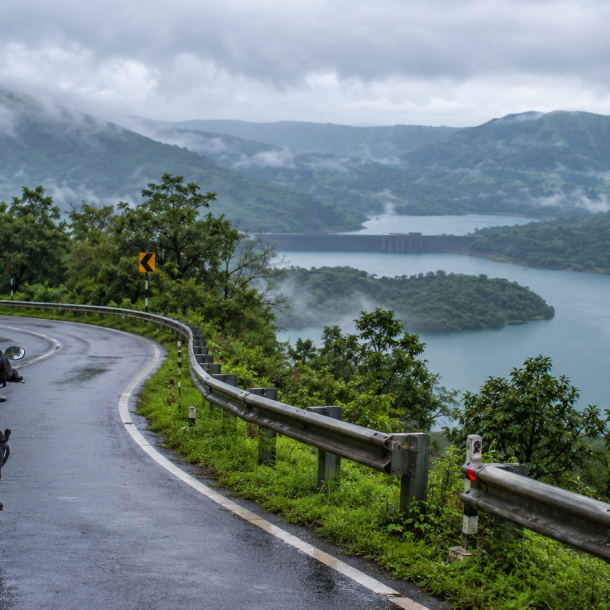
As you approach Tapola, the landscape changes from the open floral plateau to green valleys, forests and the peaceful surroundings of Shivsagar backwaters.
Stay at Shoreline Ujjwala Resort Agro Tourism & River Camp, Tapola
For travellers combining Kaas and Tapola, staying overnight in the Tapola area makes the itinerary much more comfortable.
Shoreline Ujjwala Resort Agro Tourism & River Camp in Apati can be included as a convenient stay option for this route. The existing resort information in your blog describes lake-view accommodation, outdoor spaces, family-friendly facilities and home-style Maharashtrian food.
After a morning spent walking around Kaas, the evening can be intentionally slow.
Enjoy a warm cup of tea, relax in the peaceful surroundings, have dinner and simply enjoy the monsoon atmosphere.
This is one of the advantages of staying near Tapola instead of trying to return immediately after visiting Kaas.
Day 2: Explore Tapola and Shivsagar Backwaters
Wake up to the greenery and fresh monsoon air around Tapola.
The region is known for the scenic Shivsagar backwaters, surrounded by hills and forests.
Depending on weather and local availability, you can plan activities such as boating, kayaking or simply enjoy the lakeside scenery.
You can also keep the second day relaxed and spend more time enjoying the resort rather than trying to cover every attraction in the area.
After breakfast, explore nearby places according to road conditions and available time.
Add Mahabaleshwar to Your Trip: A Scenic Next-Day Extension
If you have one additional day, don’t end your trip after Tapola.
One of the attractive ways to extend the journey is to travel from the Tapola side towards Mahabaleshwar through the scenic ghat roads.
This makes the overall trip more varied:
Kaas → flowers and biodiversity
Tapola → lake, hills and relaxation
Mahabaleshwar → viewpoints, forests and hill-station attractions
Mahabaleshwar is a major Western Ghats hill station known for its lush greenery, mountains, lakes and rich natural surroundings.
Suggested Mahabaleshwar Day
Start from your Tapola-side stay in the morning and enjoy the ghat journey towards Mahabaleshwar.
Once in Mahabaleshwar, you can plan a relaxed sightseeing day around popular viewpoints and natural attractions.
Depending on your available time, consider:
- Venna Lake
- Arthur’s Seat
- Elephant’s Head Point
- Wilson Point
- Mapro Garden
- Lingmala Waterfall
- Panchgani
The exact route should depend on weather and road conditions because monsoon driving in the Western Ghats can take longer than expected.
If you don’t want a rushed trip, stay one additional night around Mahabaleshwar and return the following day.
Best 3-Day Route at a Glance
| Day | Morning | Afternoon | Evening |
| Day 1 | Kaas Pathar & flowers | Flower photography → drive to Tapola | Check-in at Shoreline Ujjwala Resort Agro Tourism & River Camp |
| Day 2 | Tapola & Shivsagar backwaters | Local sightseeing / relaxing | Resort stay & dinner |
| Day 3 | Drive through scenic ghat route | Mahabaleshwar sightseeing | Stay in/around Mahabaleshwar or return |
This version gives travellers enough time to enjoy each destination instead of treating the trip as a checklist.
Best Time for a Kas Pathar & Tapola Trip
For travellers whose main purpose is to see flowers, plan around the Kaas flowering season, generally from late August to early October.
However, remember that rainfall controls the flowering cycle. One week can look significantly different from another.
For the best experience, check:
- Recent Kaas flower updates
- Current rainfall conditions
- Entry/pass requirements
- Road conditions
- Weather forecast
- Accommodation availability
The official tourism guidance also recommends checking conditions because the flowering period varies with rainfall.
Important Tips for Visiting Kaas Pathar
Start Early : An early start gives you more time to enjoy the flowers without rushing.
Wear Good Shoes : Monsoon paths can be wet, muddy and slippery. Choose shoes with good grip.
Carry Rain Protection : A raincoat, umbrella and waterproof bag are useful.
Don’t Pick the Flowers : Kaas’s flowers are part of a fragile ecosystem. Photograph them, but leave them where they grow.
Stay on Designated Paths : Avoid walking through flower beds or restricted areas.
Carry a Power Bank : Mobile batteries can drain quickly when using cameras and navigation throughout the day.
Carry Reusable Water Bottles : Avoid unnecessary plastic waste in this ecologically sensitive region.
Why Shoreline Ujjwala Resort Agro Tourism & River Camp Works Well for This Itinerary
The biggest advantage of including a Tapola stay in this route is the change of pace.
After spending the day exploring Kaas Pathar’s flowers, you don’t have to immediately return home.
Instead, you can drive to Tapola, check in at Shoreline Ujjwala Resort Agro Tourism & River Camp, enjoy the surrounding greenery, have a relaxed meal and wake up near the lake and hills the next morning.
From there, you can either enjoy Tapola for the full second day or extend your trip towards Mahabaleshwar through the scenic ghat route.
This makes Shoreline Ujjwala Resort Agro Tourism & River Camp more than simply an overnight stop — it can become the base for a Kaas + Tapola + Mahabaleshwar monsoon road trip.
FAQs
What is the best time to see flowers at Kaas Pathar?
The broad flowering season is generally from late August to early October, with the exact bloom period depending on rainfall. September is commonly considered an important period for flower viewing.
Which flowers can I see at Kaas Pathar?
Depending on the season, visitors may encounter seasonal varieties such as Sonki, Smithia, balsams, orchids, Utricularia, Drosera and other endemic or rare plants. The exact flowers visible vary during the flowering cycle.
Can I combine Kaas Pathar and Tapola in one weekend?
Yes. A practical plan is to explore Kaas on Day 1, drive to Tapola in the afternoon and stay overnight. Day 2 can be spent exploring Tapola and Shivsagar backwaters.
Can I visit Mahabaleshwar after Tapola?
Yes. If you have an additional day, you can extend the journey towards Mahabaleshwar through the scenic Western Ghats/ghat route. Allow extra time during the monsoon because road and weather conditions can affect travel.
Where should I stay during a Kaas and Tapola trip?
Staying around Tapola is convenient if your itinerary combines Kaas with Tapola. Shoreline Ujjwala Resort Agro Tourism & River Camp in Apati can be considered as a stay option for travellers looking for a comfortable base surrounded by the region’s natural scenery.
Is Kaas Pathar suitable for families?
Yes, but families should be prepared for wet and uneven conditions during the monsoon. Children should remain on designated paths and should not enter protected flower areas.
Conclusion
A Kas Pathar weekend trip becomes much more memorable when you plan it around the region’s short-lived flower season rather than simply treating Kaas as another sightseeing stop.
From the colourful seasonal blooms and rare plants of Kaas Pathar to the misty hills and Shivsagar backwaters of Tapola, the journey offers a beautiful mix of biodiversity, relaxation and monsoon landscapes.
Stay overnight at Shoreline Ujjwala Resort Agro Tourism & River Camp in Tapola, enjoy a slower second day, and if you have more time, continue through the scenic ghat route towards Mahabaleshwar for another day of Western Ghats sightseeing.
In short, the ideal extended route is:
Kaas Pathar Flowers → Shoreline Ujjwala Resort Agro Tourism & River Camp → Tapola → Mahabaleshwar
It is not just a weekend itinerary — it is a complete monsoon road-trip experience through one of Maharashtra’s most beautiful regions.