


When most people think of a road trip to the hills of Satara, their minds immediately picture rows of bright red strawberries topped with fresh cream. It makes sense. That winter delicacy has put the region on the global food map. But if you only visit these hills when it’s cold, you are missing out on the forest’s best-kept secrets. When the summer sun bakes the valleys from April to June, a completely different culinary awakening happens. Exploring the wild summer fruits of Mahabaleshwar & Tapola reveals a rustic, tangy world of berries and fruits that you will never find in a slick city supermarket.
Stepping off the beaten path during the warmer months treats you to a landscape bursting with indigenous produce. These aren’t fruits grown in commercial green houses; they are rugged, wild treasures hand-foraged from the deep thickets of the Sahyadri range by local communities. Let’s leave the standard tourist track behind and dive into the vibrant, purple-stained, mouth-puckering world of the Western Ghats’ true summer harvest.
The Black Pearls of the Sahyadris: Karvand and Torane
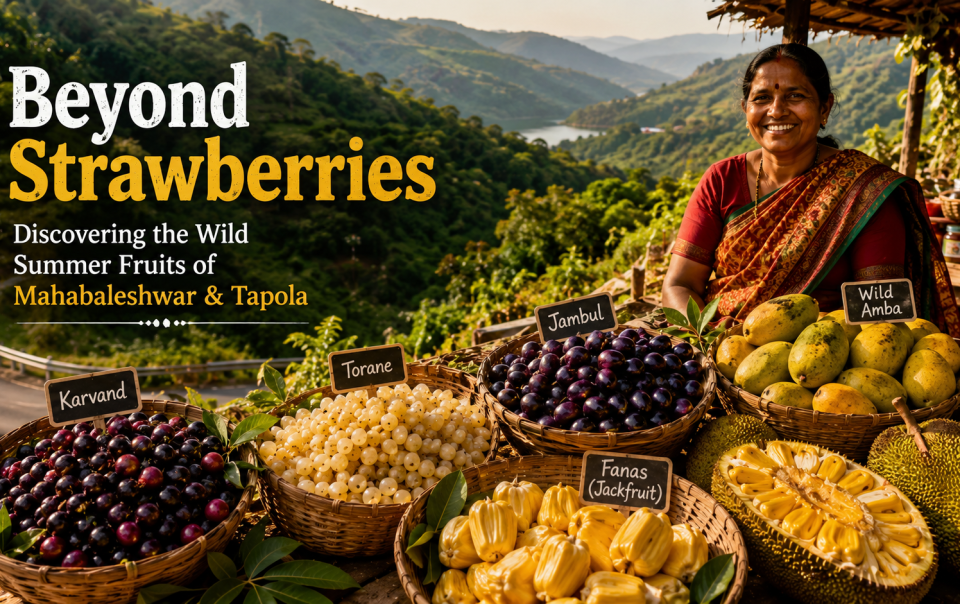
If you take a drive down the winding roads connecting Mahabaleshwar to the lower river valleys, you will see local villagers sitting under the shade of trees beside small wicker baskets. Inside those baskets are small, gleaming, jet-black berries. This is Karvand, often called the “black pearl” of the hills.
Grown on dense, thorny bushes across the slopes, Karvand is the quintessential taste of a Maharashtrian summer. When raw, they are green and incredibly sour. But when they ripen into a deep purple-black in May, they become a perfect balance of sweet, tart, and astringent flavors. Eating a handful leaves your tongue deeply stained, a nostalgic badge of honor for anyone who grew up traveling these roads.
Right alongside Karvand, you will often find Torane. These are small, translucent white-to-pale-yellow berries that grow on similarly stubborn, thorny shrubs. Torane berries are intensely sweet with a unique, musky undertone. Foraging these is hard work because of the protective thorns, making every single bite a true privilege for travelers passing through.
Traveler’s Tip: Don’t haggle with the grandmothers selling these berries on the ghats. The meager price they ask doesn’t even cover the scratches they endure while picking these fruits from the deep jungle early in the morning.
The Deep Purple Stains of Jambul
As May rolls into June and the first pre-monsoon clouds begin to gather over the valleys, the Jambul (Java Plum) makes its grand entrance. The massive, ancient Jambul trees lining the paths drop their dark, heavy fruit onto the damp earth, filling the air with a sweet, fermenting aroma.
Jambul is highly prized not just for its deep, rich flavor, but for its extensive health properties in local traditional medicine. It has a sharp, dry taste that instantly dries up your mouth, followed by a refreshing sweetness. The ritual is simple: toss a handful of ripe Jambul into a small container, sprinkle a generous pinch of rock salt, close the lid, and shake it vigorously until the fruits bruise slightly. It is the ultimate refreshing snack to counter the summer heat.
Internal Link Suggestion: Link the phrase “drive down the winding roads” to an insider’s guide on navigating road conditions and scenic viewpoints along the river valleys.
Wild Amba and Fanas: The Giants of the Forest Floor
While the valleys below are famous for elite mango varieties like the Alphonso, the rugged terrain of the higher hills belongs to the wild Raival Amba. These mangoes are small, fibrous, and look nothing like the flawless fruits in city stores. However, their juice is incredibly concentrated, offering an intense, unrefined tropical flavor profile. Locals use these wild mangoes to create small-batch, sun-dried preserves and spicy pickles that carry families through the long monsoon months.
Then, there is the mighty Fanas (Jackfruit). Walking through the older village settlements near the lake, you will see these massive, spiked green giants hanging directly from the trunks of ancient trees. The summer harvest produces two distinct types of jackfruit recognized by locals:
- Kapa: This variety features firm, crunchy, golden-yellow bulbs that are easily eaten by hand. They have a sweet flavor reminiscent of honey and banana.
- Barka: This variety is soft, fibrous, and intensely juicy. Its flesh is typically squeezed down to create thick, sweet pulps used in traditional local desserts.
Summer Fruit Profile Matrix
| Local Name | English/Common Name | Peak Availability | Flavor Profile | How to Enjoy |
| Karvand | Carissa carandas | May – June | Tart, astringent, mildly sweet | Fresh with a pinch of salt, or as a home-style jam. |
| Torane | Wild white berries | April – May | Sweet, delicate, musky | Freshly picked, straight from the basket. |
| Jambul | Black Plum / Jamun | June | Sharp, dry, deeply sweet | Shaken in a bowl with black salt. |
| Wild Amba | Indigenous Mango | May | Intensely sweet, highly fibrous | Squeezed fresh for local Aamras or pickled. |
| Fanas | Jackfruit | April – June | Honey-sweet, tropical | Fresh yellow bulbs or fried into crispy chips. |
Where to Source Authentic Summer Fruits
Finding the best wild summer fruits of Mahabaleshwar & Tapola requires moving away from the crowded market centers where commercial fruits are shipped in. Instead, point your vehicle toward the quiet countryside.
The road down toward the reservoir area is the absolute goldmine for fruit lovers. Small, makeshift stalls run by local farming families near village intersections offer the freshest produce. If you stay at an agro-tourism property or a riverside resort, the kitchen staff can often source these wild fruits directly from the surrounding hillsides, providing an authentic taste of local Maharashtrian food that mainstream hotels simply cannot replicate.
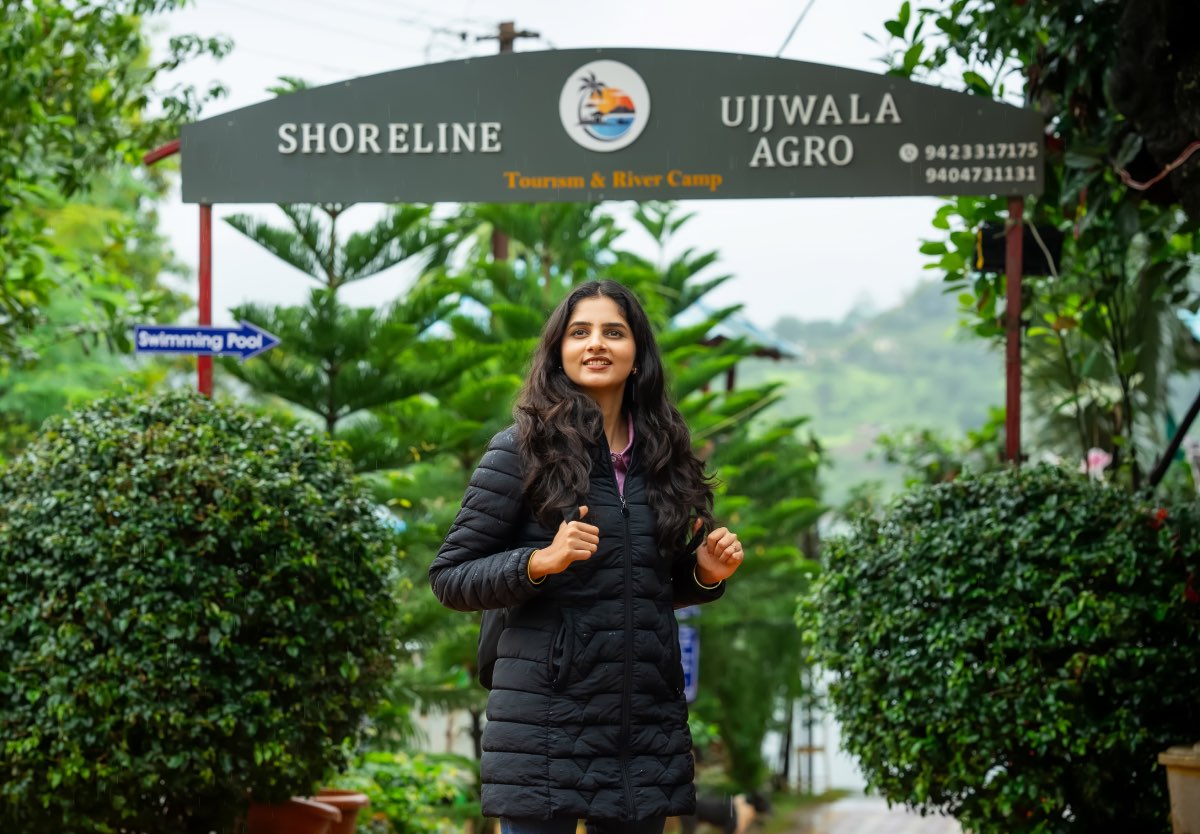
Stay Close to Nature at Shoreline Ujjwala Resort
If you’re planning to explore the wild summer fruits of Mahabaleshwar and Tapola, choosing the right place to stay can make your experience even more memorable. Nestled near the tranquil backwaters of Shivsagar Lake in Apati, Shoreline Ujjwala Resort offers a peaceful retreat surrounded by lush greenery and the natural beauty of the Sahyadris. Guests can enjoy authentic home-style Maharashtrian cuisine prepared with fresh local ingredients, while the resort’s convenient location makes it easy to discover nearby fruit stalls, village markets, scenic viewpoints, and nature trails. Whether you’re relaxing by the lakeside after a day of exploring or starting your morning with breathtaking valley views, Shoreline Ujjwala Resort provides the perfect blend of comfort, local hospitality, and immersive countryside experiences for your Tapola getaway.
FAQs: The Summer Fruit Guide
1. Can I find these wild summer fruits during the winter strawberry season?
No. These fruits are strictly seasonal and tied to the intense heat of late spring and early summer. By the time the winter strawberry season begins in November, these wild forest trees have gone dormant or are preparing for the next year’s cycle.
2. Are these wild berries safe to consume directly from roadside stalls?
Yes, they are highly natural and organic. However, because they are picked directly from forest bushes, it is always a best practice to rinse the berries gently with clean drinking water before eating them to remove any lingering forest dust or sap.
3. What is the best way to transport these delicate fruits back to Pune or Mumbai?
Firm fruits like Fanas or raw mangoes travel easily in any vehicle. For delicate berries like Karvand and Torane, avoid packing them in tight plastic bags, which causes them to sweat and spoil. Use open wicker baskets or breathable, broad cardboard boxes lined with newspaper to keep them fresh during the drive home.
4. How do locals use these fruits in daily cooking?
Aside from eating them fresh, locals turn wild mangoes into a sweet-and-sour molasses-like gravy called Ambyacha Rayta. Karvand is often boiled down with jaggery to create a tart, dark chutney that pairs perfectly with hot bhakris during the heavy rains.
5. Why do these wild fruits taste different from standard store-bought varieties?
These plants grow naturally without chemical fertilizers, artificial irrigation, or pesticides. They rely entirely on the rich, volcanic soil of the Sahyadris and natural rainfall, which results in smaller, intensely concentrated fruits packed with authentic, rustic flavors.
Conclusion: Taste the Untamed Side of the Hills
The next time you plan a warm-weather getaway to the hills, look past the corporate billboards and ice cream parlors. Slow your vehicle down as you pass the quiet ghat curves, look for the modest wicker baskets by the roadside, and sample the true, wild flavor of the mountains. Tasting the wild summer fruits of Mahabaleshwar & Tapola connects you directly to the ancient rhythm of the land and supports the local communities who preserve these hills.
Experience the Flavors Firsthand
Ready to explore the delicious, untamed side of the Western Ghats? Pack your bags, book a peaceful riverside stay away from the noise, and head into the hills this summer. The forests are full, the berries are ripe, and an unforgettable culinary adventure is waiting for you at the end of the road!