

Monsoon photography in the Western Ghats is not only about dramatic mountains and waterfalls. At Kas Pathar, some of the most fascinating subjects are only a few centimetres tall.
For a few weeks during the monsoon, the plateau becomes a seasonal botanical display, with different wildflowers appearing across the grasslands. Maharashtra Tourism currently records more than 850 species of flowering plants at Kaas, including rare and endemic varieties, orchids, the insectivorous Drosera indica, and Karvy, which has a much longer flowering cycle.
What makes Kaas particularly interesting for photographers is that the landscape does not necessarily look identical throughout the flowering period. Different groups of plants come into bloom as the monsoon progresses, creating changes in colour and texture across the plateau. UNESCO documentation notes shifts involving yellow, blue, pink, white and purple flowering groups.
Then, after exploring the flowers, you can continue towards Tapola for an entirely different photographic experience: Shivsagar backwaters, layered mountains, boats, forests, reflections and monsoon mist.
So, instead of treating Kaas as one photography spot, think of the trip as two contrasting photography experiences:
Kaas Pathar → tiny flowers, textures, colours and biodiversity
Tapola → water, mountains, reflections and wide landscapes
Why Kaas Pathar Is Special for Flower Photography
The biggest mistake photographers can make at Kaas is assuming that the beauty comes only from seeing a large field covered in flowers.
Look closer.
The plateau contains a mixture of seasonal herbs, grasses, orchids and other plants that respond to the monsoon. Some are immediately visible, while others are so small that you need to slow down to notice them.
The basaltic plateau, seasonal rainfall and short flowering cycles create an unusual environment where the visual character can change as the season progresses.
This gives photographers several subjects within the same landscape:
- Individual flowers
- Groups of flowers
- Flower-and-mountain compositions
- Wet petals
- Raindrops
- Grass textures
- Insect activity
- Misty backgrounds
- Rocky plateau textures
- Colour patterns across the landscape
For Kas Pathar photography, patience is often more useful than expensive equipment.
Kaas Flowers to Look for During Your Photography Trip
Rather than simply photographing “wildflowers,” try identifying some of the different plants you encounter.
1. Sonki – The Yellow Landscape
Sonki is one of the flowers associated with the later part of the Kaas flowering display.
Its yellow colour can create strong contrast against the green grasslands and darker monsoon clouds.
Photography idea
Instead of photographing an entire yellow patch from eye level, try three approaches:
Wide shot: Show the yellow flowers with the surrounding hills.
Medium shot: Photograph a small cluster with blurred greenery behind it.
Close-up: Focus on the flower details and use the surrounding landscape as soft background colour.
The key is to use the yellow flowers as part of the composition rather than simply filling the entire frame with yellow.
2. Terda – Add Pink and Red Tones
Terda is another seasonal flower associated with the Kaas landscape.
Its pinkish-red tones can provide a completely different visual mood from the yellow blooms.
Best photography approach
Look for a small group of flowers surrounded by green grass.
A shallow depth of field can separate the flower from the background, while a wider composition can show how the flower appears within the larger plateau.
If your phone has Portrait or Macro mode, experiment with both, but avoid getting physically into the flower patches.
3. Abhali – Delicate Blue-Purple Details
Abhali is another flower that can add cooler shades to a Kaas photography collection.
Blue and purple flowers can be more difficult to photograph accurately in cloudy conditions because the camera may alter the colour depending on exposure and white balance.
Try this:
- Use natural light
- Avoid excessive saturation
- Take several exposures
- Keep the background simple
- Photograph after rain when the petals have natural droplets
The goal should be to preserve the delicate appearance of the flower rather than making the colours look artificially intense.
4. Smithia – Small Flowers Worth Looking For
Smithia species are among the flowering plants documented in the Kaas ecosystem.
They are a good reminder that Kaas photography is not only about large colourful flower patches.
If you enjoy macro photography, slow down and look carefully along the vegetation.
Try photographing:
- Individual blooms
- Flower clusters
- Petals with water droplets
- Flowers surrounded by grasses
- Tiny flowers against a darker background
UNESCO’s Kaas documentation includes Smithia among the flowering groups found on the plateau.
5. Utricularia – Look for the Tiny Details
Utricularia is particularly interesting for nature photographers because it represents the kind of small and unusual plant that can easily be overlooked.
Some Utricularia species are insectivorous plants.
For photographers, the challenge is not simply finding the plant but creating a photograph that communicates its scale and delicate structure.
A macro lens or smartphone macro mode can be useful here.
This is where having a little botanical curiosity can make your photography experience much more interesting.
6. Orchids – Photograph the Details
Kaas is also known for orchid diversity.
Orchids are excellent subjects for photographers because their structures are more intricate than a simple field of flowers.
Instead of taking only one photograph, try:
Close-up: Capture the shape and details of the flower.
Environmental portrait: Include surrounding grass and vegetation.
Detail crop: Focus on one part of the flower.
Maharashtra Tourism specifically identifies orchids among Kaas’s rare and distinctive floral diversity.
7. Drosera – A Fascinating Insectivorous Plant
One of the more unusual plants associated with Kaas is Drosera indica.
Unlike ordinary flowers that attract attention mainly because of colour, Drosera offers photographers something different: an opportunity to photograph an insectivorous plant in its natural environment.
Because these plants can be small and easy to miss, avoid rushing through the plateau.
A macro lens can help reveal details that may not be visible to the naked eye.
Maharashtra Tourism lists Drosera indica among the rare plant varieties found at Kaas.
8. Karvy – A Special Flowering Event
Karvy deserves separate attention because its flowering pattern is different from many of the seasonal plants visitors see during an ordinary Kaas trip.
Maharashtra Tourism notes that Karvy blooms approximately once every seven years.
That makes a Karvy flowering year particularly interesting for photographers and nature enthusiasts.
If you are planning a trip specifically to photograph Karvy, verify the current flowering status rather than assuming that it will be blooming every monsoon.
How Kaas Changes Colour During the Flowering Season
This is one of the most interesting aspects of Kas Pathar photography.
The plateau does not simply become colourful once and remain unchanged.
UNESCO’s documentation describes different flowering groups creating changing colour patterns as the monsoon progresses, including:
- Yellow tones from groups such as Senecio and Smithia
- Blue tones from Utricularia
- Pink shades from Impatiens
- White flowers including Eriocaulon and Habenaria
- Purple tones associated with Strobilanthes
This means photographers interested in returning to Kaas can potentially see a different visual character at different points in the season.
It is one reason why recent flower updates are more useful than relying on a single fixed “best week.”
Best Photography Spots at Kaas Pathar
1. Main Flower Areas
Start with the designated flower-viewing areas.
Instead of taking only wide photographs, divide your shoot into three layers:
Layer 1: Individual flowers
Layer 2: Flower clusters
Layer 3: Flowers combined with hills and clouds
This gives you a more complete photography collection from the same location.
2. Kaas Lake
Kaas Lake offers a completely different composition.
Instead of focusing on flowers, look for:
- Water reflections
- Mist
- Green hills
- Cloud formations
- Wet vegetation
- Symmetry
A calm morning can produce cleaner reflections, while mist can create a softer, more atmospheric photograph.
Maharashtra Tourism describes Kaas Lake as a scenic reservoir surrounded by forests and hills and notes its appeal for nature photography.
3. Misty Plateau Edges
When clouds move across the plateau, the landscape can change within minutes.
Rather than waiting for perfect sunshine, use the weather.
Mist can:
- Hide distracting backgrounds
- Create depth
- Separate mountain layers
- Add mood
- Make distant hills appear softer
For landscape photography, try photographing several layers of the Western Ghats rather than placing every object in the centre of the frame.
Tapola: A Completely Different Photography Experience
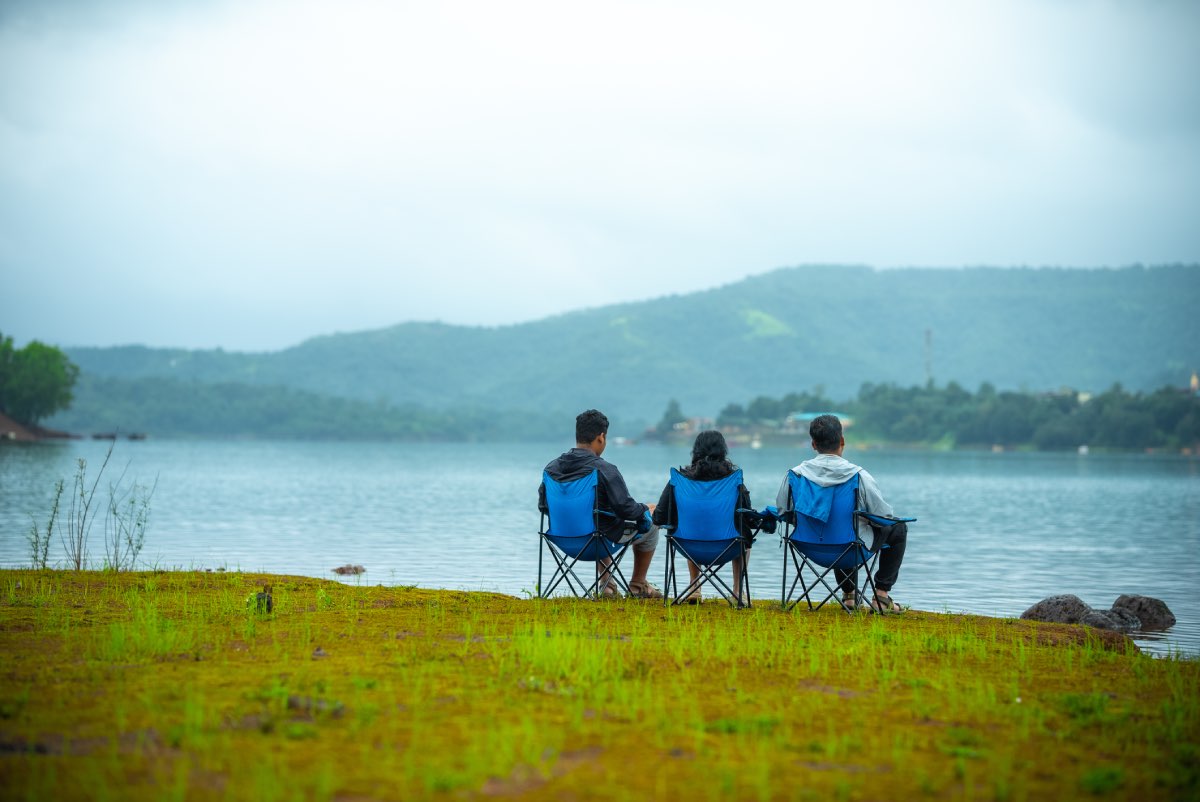
After spending hours photographing small flowers, Tapola gives your camera a much larger canvas.
Here the main subjects are:
Water + mountains + forests + clouds + boats
This contrast is one of the strongest reasons to combine Kaas and Tapola in the same photography trip.
4. Shivsagar Lake and Backwaters
For Tapola photography places, Shivsagar Lake is one of the most useful locations.
The large water surface gives you opportunities for:
- Reflections
- Mountain silhouettes
- Boats
- Wide landscapes
- Mist
- Cloud photography
- Minimalist compositions
Try photographing a single boat against a large expanse of water and mountains. A small subject can create a strong sense of scale.
5. Tapola Hills and Valley Layers
The hills surrounding Tapola work particularly well when the weather is cloudy.
Look for three layers:
Foreground: Trees or vegetation
Middle ground: Green hills
Background: Mist-covered mountains
This creates depth without requiring an extremely wide viewpoint.
Don’t always try to capture the biggest possible scene. A tighter composition can sometimes communicate the landscape more effectively.
6. Bamnoli and Boat Photography
Bamnoli provides another opportunity to combine water and human activity.
A boat moving across Shivsagar Lake can act as a natural focal point.
For travel photography, boats can also provide scale and movement within an otherwise quiet landscape.
If local people or boat operators become part of a close-up photograph, be respectful and ask permission where appropriate.
7. Thoseghar Waterfalls
If your itinerary includes Thoseghar, use it to add movement to your photography collection.
During the monsoon, waterfalls become dramatically stronger and the surrounding vegetation becomes intensely green.
You can experiment with:
Fast shutter speed: Freeze individual water droplets.
Slow shutter speed: Create a smoother flowing-water effect.
If you are using a tripod, make sure it is placed somewhere stable and away from slippery edges.
Maharashtra Tourism identifies Thoseghar as a major monsoon attraction in the Satara region.
Kas Pathar Photography: Best Time of Day
Early Morning
Best for:
- Soft light
- Dew and raindrops
- Flowers
- Mist
- Minimal crowds
- Cooler conditions
Late Morning
Useful for:
- Flower details
- Macro photography
- Brighter colours
- Wider landscape shots
Cloudy Afternoon
Don’t automatically put your camera away.
Cloud cover can create soft, even lighting for flowers and reduce harsh shadows.
After Rain
This can be one of the most interesting moments.
Wet petals, water droplets and darker green vegetation can make photographs look more textured and atmospheric.
Photography Gear for Kaas Flowers
You don’t need professional equipment.
Smartphone
A modern smartphone is enough for:
- Wide landscapes
- Flower close-ups
- Travel photographs
- Misty mountain scenes
Macro Lens
Useful for small flowers such as tiny seasonal species and detailed botanical subjects.
Telephoto Lens
Useful when you want to photograph flowers without physically approaching the vegetation.
Wide-Angle Lens
Best for:
- Flower fields
- Mountains
- Shivsagar Lake
- Large landscapes
Tripod
Useful for:
- Low-light conditions
- Water photography
- Long exposures
- Stable compositions
However, keep equipment minimal if you need to walk through wet terrain.
How to Photograph Flowers Without Damaging Them
This is one of the most important parts of Kaas flower photography.
A beautiful photograph should not come at the cost of the flower.
Never Step Into Flower Patches
Even if you see a perfect composition a few metres inside the vegetation, don’t enter protected flower areas.
Don’t Pick Flowers
The flowers are part of a sensitive ecosystem, not props for photography.
Use Your Lens Instead
A telephoto or macro lens can help you capture details without physically approaching the plant.
Don’t Move Plants for a Better Shot
Avoid bending stems, removing leaves or clearing vegetation around your subject.
Follow Visitor Restrictions
Kaas is ecologically sensitive, and current tourism guidance advises visitors to follow entry rules, remain responsible and avoid disturbing the habitat.
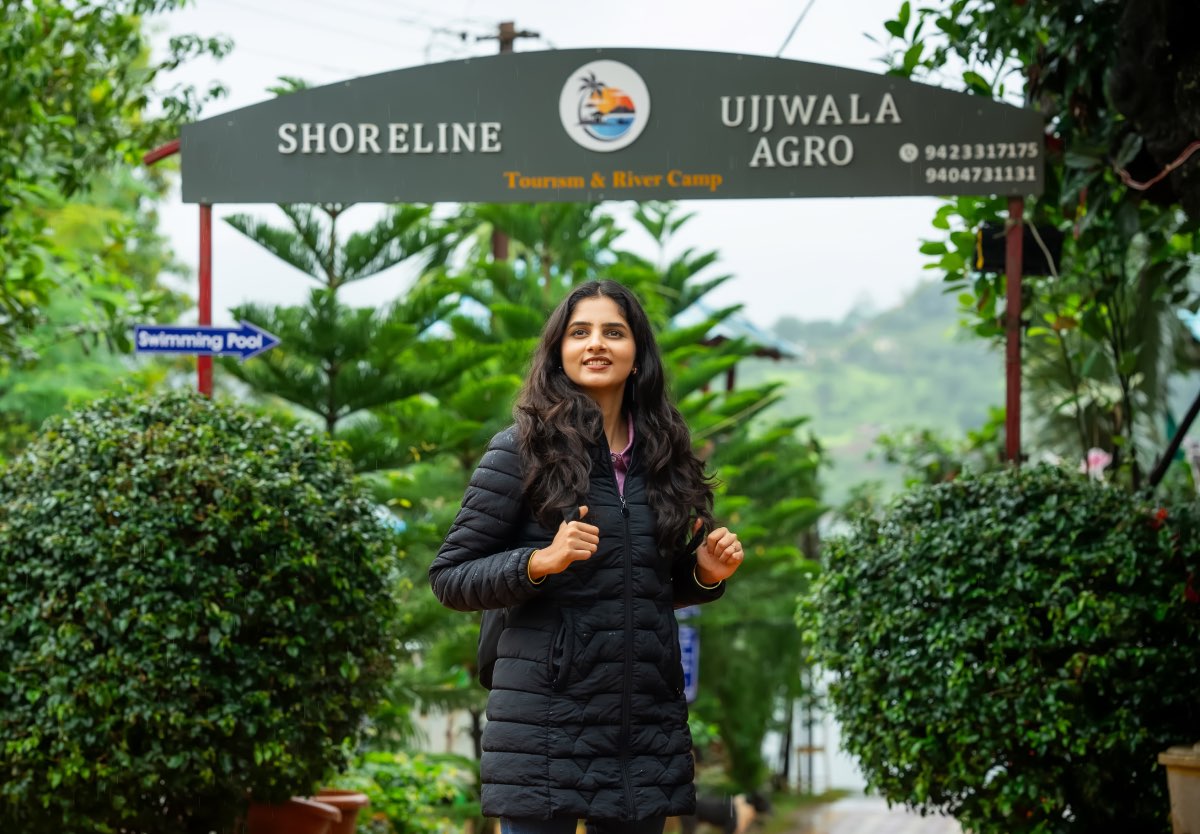
Stay Near Tapola: Shoreline Ujjwala Resort Agro Tourism & River Camp
If your photography plan includes both Kaas and Tapola, an overnight stay near Tapola makes the trip more relaxed.
Shoreline Ujjwala Resort Agro Tourism & River Camp in Apati can be considered as a base after your Kaas photography session.
The resort’s published information describes a lakeside setting around the Shivsagar region, with lake-view and mountain-view accommodation, outdoor spaces, home-style Maharashtrian food and assistance for boating and trekking.
For photographers, this creates a useful rhythm:
Morning: Photograph Kaas flowers
Afternoon: Drive towards Tapola
Evening: Photograph the changing light around the lake/hills and relax at the resort
Next morning: Continue Tapola photography or extend the journey towards Mahabaleshwar
Add Mahabaleshwar to Your Photography Trip
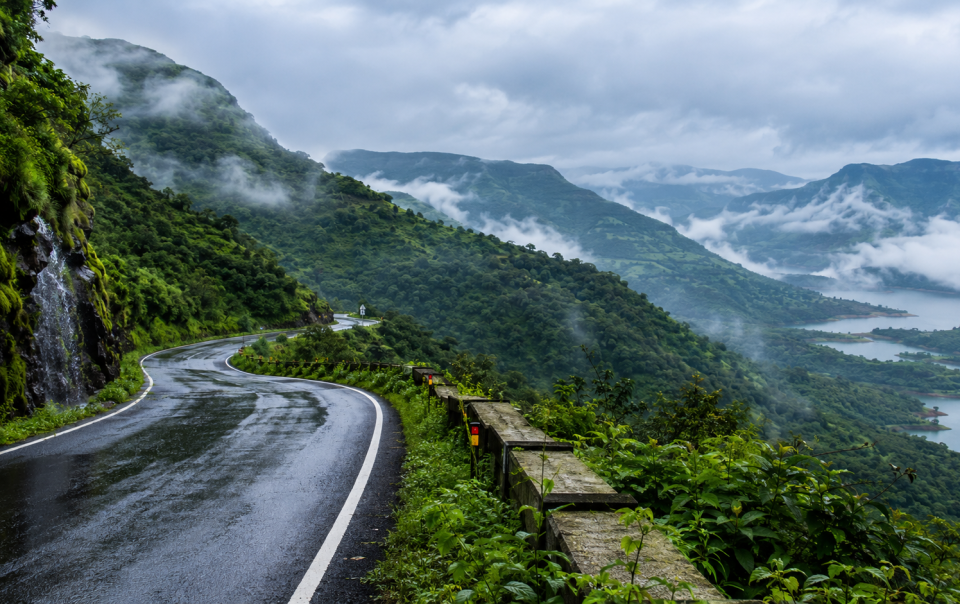
If you have another day, you can continue from the Tapola side towards Mahabaleshwar through the scenic ghat route.
This adds another photography style to your trip.
At Kaas, your photographs are mostly about small-scale botanical subjects.
At Tapola, they become water-and-mountain compositions.
At Mahabaleshwar, you can focus on valleys, viewpoints, forests and waterfalls.
That makes the extended route:
Kaas → Flowers & Macro Photography
Tapola → Lake & Landscape Photography
Mahabaleshwar → Viewpoints & Mountain Photography
This is a much more varied photography itinerary than spending the entire trip at one destination.
Quick Photography Guide
| Location | Main Subject | Best Approach |
| Kaas flower areas | Seasonal flowers | Macro + environmental shots |
| Kaas Lake | Water & hills | Reflections |
| Plateau viewpoints | Mist & mountains | Wide landscape |
| Shivsagar Lake | Water & mountains | Panoramic / minimalist |
| Tapola hills | Green valleys | Layered composition |
| Bamnoli | Boats & lake | Travel photography |
| Thoseghar | Waterfall | Fast shutter / long exposure |
| Mahabaleshwar | Valleys & viewpoints | Landscape photography |
Common Photography Mistakes at Kaas
Avoid:
- Stepping into flower beds
- Picking flowers for photographs
- Moving plants to create a composition
- Using extreme saturation
- Making every photograph a wide shot
- Ignoring tiny flowers
- Carrying too much equipment
- Leaving equipment unattended near wet areas
- Standing close to unstable cliffs
- Flying drones where restrictions apply
- Photographing people without appropriate permission
- Leaving plastic or camera-related waste behind
The best Kaas photographs are the ones that show the landscape without damaging it.
FAQs
What flowers can photographers see at Kaas Pathar?
Kaas supports a very diverse seasonal flora. Depending on the flowering phase, photographers may encounter plants associated with groups such as Sonki/Senecio, Smithia, Utricularia, Impatiens, Eriocaulon, orchids and Strobilanthes, along with many other species. The exact display changes through the monsoon.
Why does the colour of Kaas Pathar change?
Different flowering plants bloom at different points during the monsoon. UNESCO documentation notes that the plateau can shift between dominant yellow, blue, pink, white and purple tones as the season progresses.
Is September the best month for Kaas flower photography?
September falls within the main flowering window, but there is no guarantee that the same flowers will be at peak bloom on a particular date. Rainfall influences flowering, so recent local updates are more reliable than a fixed calendar. Maharashtra Tourism currently places the broader flowering period from late August to early October.
Can I take macro photographs of Kaas flowers?
Yes, but use your equipment to photograph the flowers without entering protected vegetation. A macro or telephoto lens can help capture small details while keeping you on permitted paths.
What is better for Kaas — smartphone or DSLR?
Both can work well. Smartphones are excellent for landscapes and close-ups, while interchangeable-lens cameras provide more control over macro, depth of field and telephoto compositions.
What are the best Tapola photography places?
Shivsagar Lake, the surrounding hills, Bamnoli and nearby viewpoints are useful options for photographers interested in water, boats, reflections, mist and layered mountain landscapes.
Can I combine Kaas and Tapola in one photography trip?
Yes. Kaas is best treated as the flower and botanical photography portion, while Tapola provides lake and mountain photography. Staying overnight near Tapola avoids making the trip unnecessarily rushed.
Can I add Mahabaleshwar after Tapola?
Yes. If you have an additional day, Mahabaleshwar can be added through the scenic ghat route, giving you more opportunities for valley, viewpoint, forest and waterfall photography.
About Shoreline Ujjwala Resort Agro Tourism & River Camp
Shoreline Ujjwala Resort Agro Tourism & River Camp in Apati near Tapola offers a nature-focused setting around the Shivsagar backwater region.
Its published information includes lake-view and mountain-view accommodation, outdoor spaces, home-style Maharashtrian food and assistance with activities such as boating and trekking.
For photographers planning a Kas Pathar and Tapola photography trip, staying in the Tapola area can make the itinerary more comfortable.
You can spend the first part of the trip photographing Kaas’s seasonal flora, then move towards Tapola for a completely different set of subjects — water, boats, forests and mountains.
If you have another day, you can continue towards Mahabaleshwar and add viewpoints and valley landscapes to your photography itinerary.
Conclusion
The real attraction of Kas Pathar photography is not simply the famous image of a colourful flower-covered plateau.
It is the opportunity to look closely at an unusual monsoon ecosystem.
One photograph might show a tiny flower covered with rain droplets. Another might capture a yellow seasonal bloom against a green hillside. A third might show mist moving across the plateau. Together, these images tell a much richer story of Kaas.
Then, as you move towards Tapola, the scale changes completely. Flowers give way to Shivsagar backwaters, boats, forests and mist-covered mountains.
For an extended photography getaway, continue towards Mahabaleshwar through the scenic ghat route and finish the trip with viewpoints, valleys and waterfalls.
So your photography journey can follow three distinct themes:
Kaas Pathar → Flowers & Biodiversity
Tapola → Lakes & Misty Mountains
Mahabaleshwar → Valleys & Viewpoints
Stay at Shoreline Ujjwala Resort Agro Tourism & River Camp near Tapola to slow down between these experiences and turn your photography outing into a relaxed monsoon getaway.
The best photograph is not always the biggest landscape. At Kaas, sometimes the most memorable frame is the smallest flower you almost walked past.